Supportive care for Hurler syndrome – the day-to-day treatment
Haematopoietic stem cell transplantation (HSCT) and enzyme replacement therapy (ERT) are only part of the treatment story in Hurler syndrome (severe MPS I, MPS I-H). Because the condition affects many organs, children and adults need ongoing supportive care from a wide team of specialists to manage symptoms, prevent complications and maintain the best possible quality of life. This care continues even after HSCT or years of ERT and is essential for long-term outcomes.
This page explains the key elements of supportive care in Hurler syndrome, which specialists are usually involved, and what families can expect over time.
More than medicines and operations
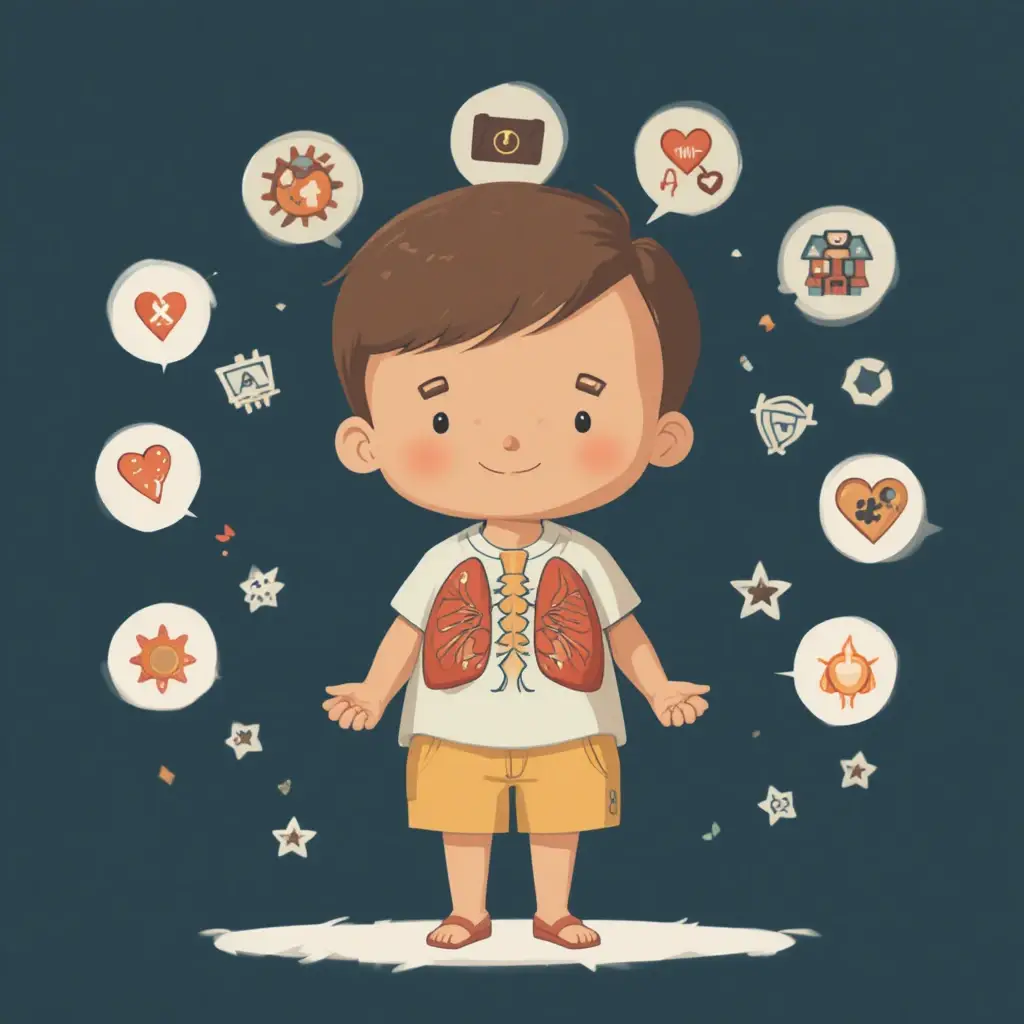
Supportive care includes all the treatments and services that do not directly replace the missing enzyme, but instead help:
•Protect vital organs (heart, lungs, brain)
•Manage pain and mobility
•Support hearing, vision and dental health
•Promote development, learning and emotional wellbeing
•Coordinate care between hospital, community and school
The specialists involved in care
Most people with Hurler syndrome are looked after by a multidisciplinary team coordinated by a metabolic or transplant centre. Team members typically include:
Metabolic / IMD Specialist
Leads overall care and treatment planning
Transplant Physician
For those who have HSCT or are being assessed
Cardiologist
Monitors valve disease, heart function and blood pressure
Respiratory / Sleep Specialist
Manages airway problems and sleep apnoea
Orthopaedic Surgeon
Looks after spine, hips and limbs
ENT Surgeon & Audiologist
Manages ear disease, hearing and upper airway
Ophthalmologist
Monitors corneal clouding and other eye issues
Dentist
With experience in complex medical conditions
Physiotherapist & OT
Mobility, strength, daily activities and equipment
Speech & Language Therapist
Feeding, speech and communication
Neuropsychology / Psychology
Cognition, behaviour and emotional health
Social Worker / Specialist Nurse
Practical support, benefits, schooling and coordination
The exact mix will vary by centre and country, but the principle is the same: joined-up care across many specialties.
Looking after the heart
Many people with Hurler syndrome develop valve disease (especially aortic and mitral valves), thickened heart muscle and sometimes conduction problems, even after HSCT or ERT. Regular cardiac follow up is therefore essential.
Typical cardiac care includes:
- Baseline and regular echocardiograms to monitor valve function and heart muscle
- ECGs and, when needed, Holter monitoring for rhythm problems
- Medical treatment for heart failure, arrhythmias or blood pressure issues
- Referral for valve repair or replacement if valve disease becomes severe
Cardiac and anaesthetic teams also work together to minimise risk during any surgery.
Breathing, sleep and airway support
Airway narrowing, enlarged tonsils/adenoids, chest wall changes and GAG storage in the lungs can lead to noisy breathing, sleep apnoea and reduced lung function.
Supportive care often involves:
- Sleep studies (polysomnography) to diagnose and monitor sleep apnoea
- CPAP or BiPAP at night for moderate to severe obstructive sleep apnoea
- Adenotonsillectomy or other ENT surgery to relieve obstruction, when safe
- Lung function tests and imaging for restrictive or obstructive lung disease
- Vaccinations and prompt treatment of respiratory infections
Careful airway planning is critical for any procedure that requires anaesthesia.
Bones, joints and mobility
Skeletal disease is one of the areas least fully corrected by HSCT or ERT, so supportive orthopaedic and rehabilitation care is crucial.
Common issues:
- Spinal deformities – kyphosis and scoliosis
- Hip dysplasia and instability
- Genu valgum (knock knees) and other limb deformities
- Joint stiffness and contractures
- Carpal tunnel syndrome and other nerve entrapments
Supportive treatments include:
- Regular orthopaedic review and imaging
- Physiotherapy to maintain range of motion, posture and strength
- Occupational therapy for hand function, daily activities and equipment
- Orthoses (insoles, splints, braces) to support gait and joints
- Surgical interventions such as hip reconstruction, spinal fusion, limb realignment and carpal tunnel release
- Pain management plans combining medication, physical therapies and practical adaptations
The goal is to maximise comfort, independence and participation, not to achieve a “perfect” X-ray
Ears, nose, throat and hearing
ENT problems are common in Hurler syndrome, including:
- Recurrent ear infections and glue ear
- Conductive and sensorineural hearing loss
- Enlarged tonsils and adenoids
- Chronic nasal blockage and sinus problems
Supportive care typically involves:
- Regular hearing tests (audiology)
- Grommets for glue ear where appropriate
- Hearing aids or other assistive listening devices
- Adenotonsillectomy when safe from an airway and anaesthetic perspective
- Ongoing ENT review for airway and sinus issues
Because hearing affects language and learning, ENT/audiology work closely with speech and language therapy and school services.
Vision and oral health
Eye care:
- Regular ophthalmology reviews to monitor corneal clouding, optic nerve health and visual acuity
- Assessment for refractive errors and provision of glasses
- In selected cases, corneal transplant may be considered if clouding severely affects vision and the risk is acceptable
Dental care:
- Early and regular check-ups with dental teams experienced in complex medical needs
- Extra attention to prevention (fluoride, hygiene, diet) because treatment under anaesthesia can be high-risk
- Careful planning for extractions and restorations, often combined with other procedures under a single anaesthetic where possible
Good eye and dental care can make a big difference to comfort, function and quality of life.
Staying active and independent
Physiotherapists and occupational therapists play a central role in day-to-day supportive care:
- Designing personalised exercise and stretching programmes
- Supporting safe mobility – walking frames, sticks, wheelchairs or scooters where needed
- Advising on home adaptations (ramps, rails, bathroom equipment)
- Helping with hand function, handwriting, use of cutlery, buttons and zips
- Recommending assistive devices (e.g. adapted seating, standing frames, splints)
The focus is always on what matters most to the person and family – getting to school, playing with siblings, hobbies, and participation in community life.
Learning, behaviour and emotional wellbeing
Even with early HSCT, some children will have neurocognitive or behavioural difficulties; others may experience challenges related to chronic illness, pain, repeated hospital stays and social differences.
Supportive care should include:
- •Neuropsychology assessments to track learning, memory and executive function
- •Access to special educational needs support at school or college
- •Speech and language therapy for communication and social interaction
- •Psychological support for anxiety, low mood, trauma related to medical procedures and body image concerns
- •Family support (parents, siblings, extended family) – counselling, peer groups, practical advice
At school
✓Create education and support plan tailored to your child
✓Work with schools and local services
✓Your team can help coordinate this support
Diet, growth and general wellbeing
Hurler syndrome and its treatments can affect appetite, growth, digestion and overall health.
Supportive care may involve:
- Regular monitoring of growth parameters and nutritional status
- Dietetic input to optimise calorie and nutrient intake
- Advice on managing feeding difficulties and constipation
- Vitamin and mineral supplementation where recommended
- Encouraging age-appropriate physical activity within safe limits
Good everyday health habits make HSCT, ERT and surgeries safer and support long-term resilience.
Joining the dots over a lifetime
Because supportive care involves many specialists, coordination is crucial:
- A named metabolic or specialist nurse often acts as a central point of contact
- Regular multidisciplinary meetings help align treatment plans
- Written care summaries and emergency plans can be shared with local hospitals and GPs
As teenagers grow up, they will need to transition to adult services:
- Planned handover to adult metabolic, cardiology, respiratory and orthopaedic teams
- Support in developing self-management skills (medicines, appointments, advocacy)
- Guidance on education, work, relationships and independent living
Adult care for rare diseases is still developing in many countries, so families may need to advocate for appropriate services.
Being part of the team
You know your child best. Helpful ways to stay involved include:
- Keeping a simple folder or digital record of letters, clinic summaries and test results
- Bringing a written list of questions to appointments
- Telling the team what matters most to your child right now (pain, sleep, school, friendships, sport etc.)
- Asking who to contact for urgent problems and who coordinates the overall plan
- Linking with patient organisations and support groups for practical tips and peer support
It is always acceptable to say when the plan is too heavy, when appointments clash with important life events, or when you need a break.
Clinical principles for long-term management
- View supportive care as core treatment, not “add-on”, for people with Hurler syndrome.
- Plan regular, structured reviews of cardiac, respiratory, orthopaedic, ENT, eye, hearing and neurodevelopmental status, even after HSCT/ERT.
- Anticipate and plan for surgical needs, with early involvement of anaesthesia and intensive care where appropriate.
- Address pain, fatigue, mental health and participation explicitly, not just imaging and lab results.
Work closely with schools and community teams and support transition to adult services.
Key points about supportive care
- Supportive care is a lifelong, central part of treatment in Hurler syndrome, before and after HSCT/ERT.
- It relies on a multidisciplinary team spanning heart, lungs, bones, ENT, eyes, teeth, development and mental health.
- Many of the toughest problems in Hurler syndrome (skeletal deformities, pain, hearing/vision issues, daily function) are managed primarily through supportive care.
- Good coordination between specialists, local services, school and family makes the biggest difference to day-to-day quality of life.
What to read next
Current treatments overview
Haematopoietic stem cell transplant (HSCT)
Process, benefits and risks
Enzyme replacement therapy (ERT)
Weekly infusions, benefits and limitations